

At IncrementOne, we design Facilitated Training that drives real behavior change
Most organizations invest in training with the right intent: to build capability, align teams, and improve delivery. People attend, engage, and understand the material. But weeks later, very little has changed. At IncrementOne, we design facilitated, context-driven training that helps teams apply new ways of working to real work.
Why training often fails to deliver impact
Training typically breaks down at the point of application:
- Concepts are taught generically, not in your operating context
- Teams don’t connect learning to real work
- Leaders are not aligned on what should change
- There is no structured way to reinforce new behaviors
The result is predictable: people understand more but operate the same way.
We design training differently. Starting from the outcomes you need to achieve, adding your context, and then working backward to build the right learning experience.
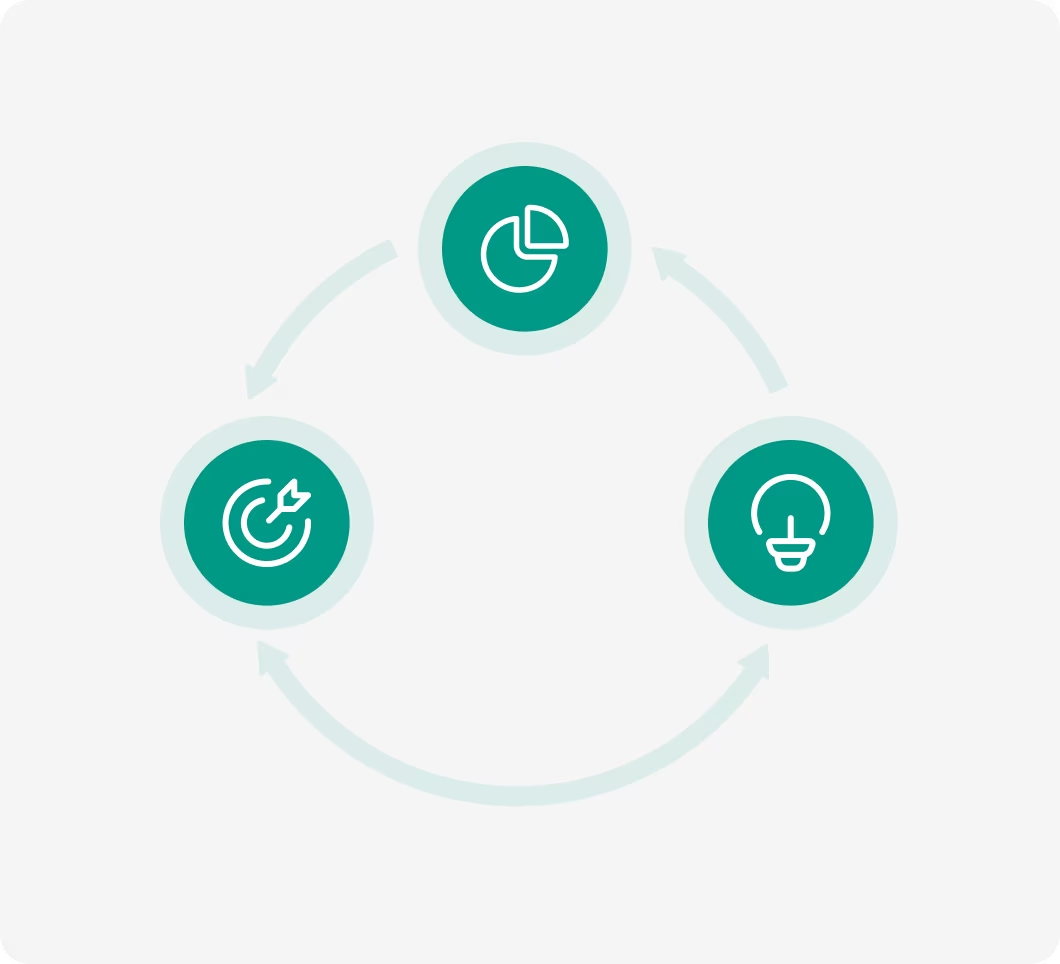
What we’ve learned from training over 10,000 professionals
Our certification is more than a badge. It represents our pledge to:



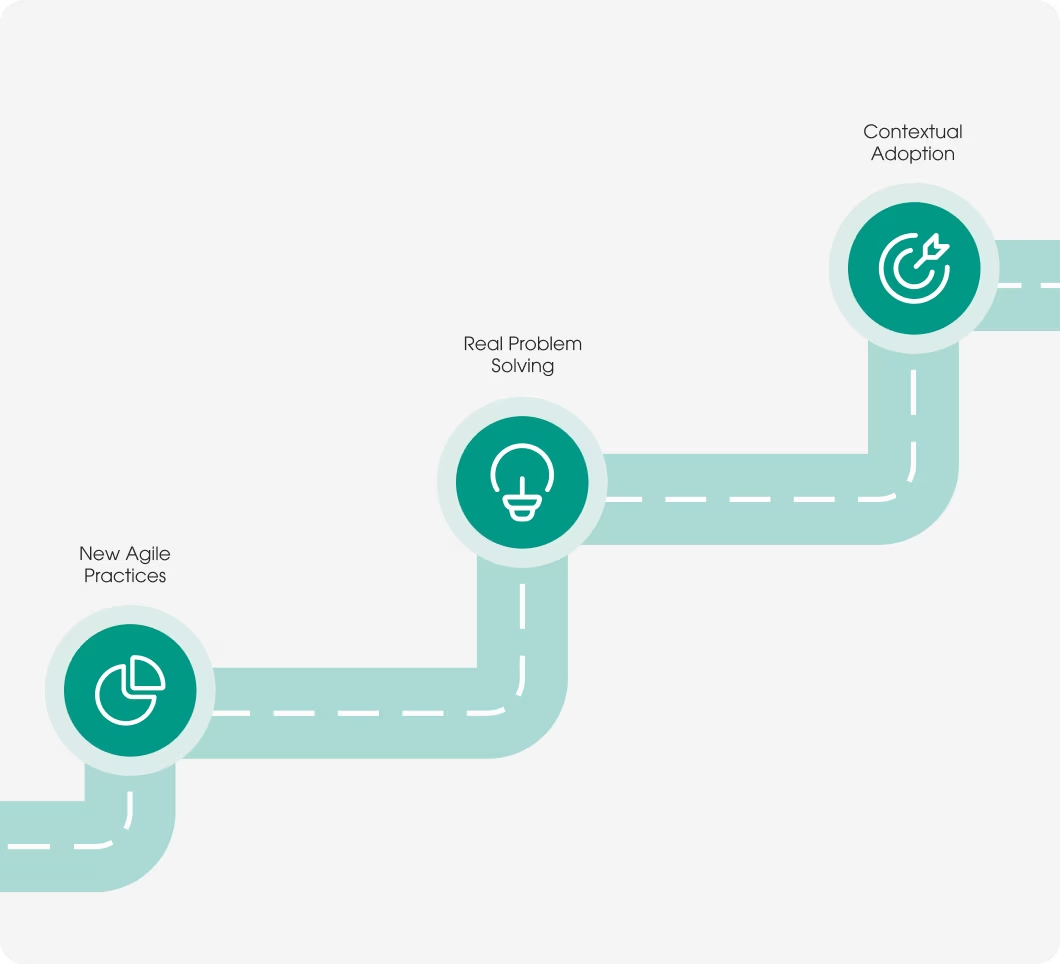
Training as a catalyst for change
This path is ideal when your organization has a real change problem to solve, and previous training has not created meaningful behavior change.
- Agile adoption that is not delivering results
- AI tools introduced without meaningful productivity improvements
- Product or delivery practices that are not sticking
- Teams that have been trained, but still operate the same way
Our promise? Training that continues to have impact after the session ends.
How facilitated training creates change
Training should begin with the change your organization needs to see, not just the content you want people to learn.
Signals
- Teams understand concepts but keep working the same way
- Training feels useful in the moment but does not stick
- Leaders are unclear on what should change after the session
How we help
- Define the desired behavior change
- Clarify the business or delivery outcome behind the training
- Work backward to design the right learning experience
What changes
- Training becomes more focused
- Success is easier to measure
- Teams understand why the learning matters
Behaviour change is difficult when leaders are not aligned on what needs to change, how decisions should be made, or what new behaviours should be reinforced.
Signals
- Leaders support training but are not part of the change
- Teams receive mixed signals after the session
- New behaviours are not reinforced by leadership habits
How we help
- Bring leaders into the learning process
- Align teams on roles, decisions, and priorities
- Create shared expectations for what should change
What changes
- Teams receive clearer direction
- Leaders reinforce the right behaviours
- Change becomes easier to sustain
Generic training often fails because teams cannot connect the material to their actual work, constraints, roles, or decisions.
Signals
- Concepts feel too theoretical
- Teams struggle to apply ideas after the session
- People leave with knowledge, but not practical next steps
How we help
- Bring your real challenges into the session
- Use your team’s operating context
- Connect concepts to actual work and decisions
What changes
- Learning feels practical
- Teams can apply ideas immediately
- Training becomes relevant to the work people are already doing
Training creates more impact when people apply new ideas during the session, not weeks later when momentum and recall has faded.
Signals
- Energy is high during training, but drops quickly afterward
- Teams are unsure where to begin
- New concepts do not transfer into day-to-day work
How we help
- Design interactive working sessions
- Apply concepts to real problems
- Help teams practice new behaviours in context
What changes
- Teams leave with practical next steps
- Ideas are tested immediately
- Training momentum carries into real work

Not only do you get a great team, but you get a genuine team that cares about what the results are and how your needs will bemet throughout the entire process. Continually checking in and helping to identify any areas where we might need to shift delivery to make sure we achieved our results.

Pink Triangle Press
Consulting with IncrementOne has given us a great foundation to build on. Teams better understand what ‘ready’ looks like and how to craft a Definition of Done. Most importantly, they have learned the importance of visualizing empirical data and using it as an input for continuous improvement. As a result, teams have made improvements in many aspects of their delivery processes.

JaneApp
IncrementOne has helped our organization mobilize our strategy throughout all of our teams. Their hands-on program brings everyone up to speed quickly. IncrementOne has helped us reinforce what I call the three As across the organization: alignment, agility and accountability.”

Pink Triangle Press
From an impact perspective, our team has started to implement many of the practices we learned together. IncrementOne has helped our team level up and the training with IncrementOne exceeded our expectations.

Product Management D2L
What a great way to break down how we can identify a root-cause analysis! The instructor was clear with instructions and everything was perfectly timed! In addition lots of time for sharing and questions. So interactive between the Miro board and also group discussions. Loved it. Thank you!

Lululemon
Our teams immediately started putting ideas from the training into practice.

We had some reluctance before. The training created more momentum than we expected.
Leaders were still discussing and evolving the ideas weeks later.
What Our Clients Experience
We’ll help you determine whether a focused training, a customized program, or a broader engagement is the right place to start.


